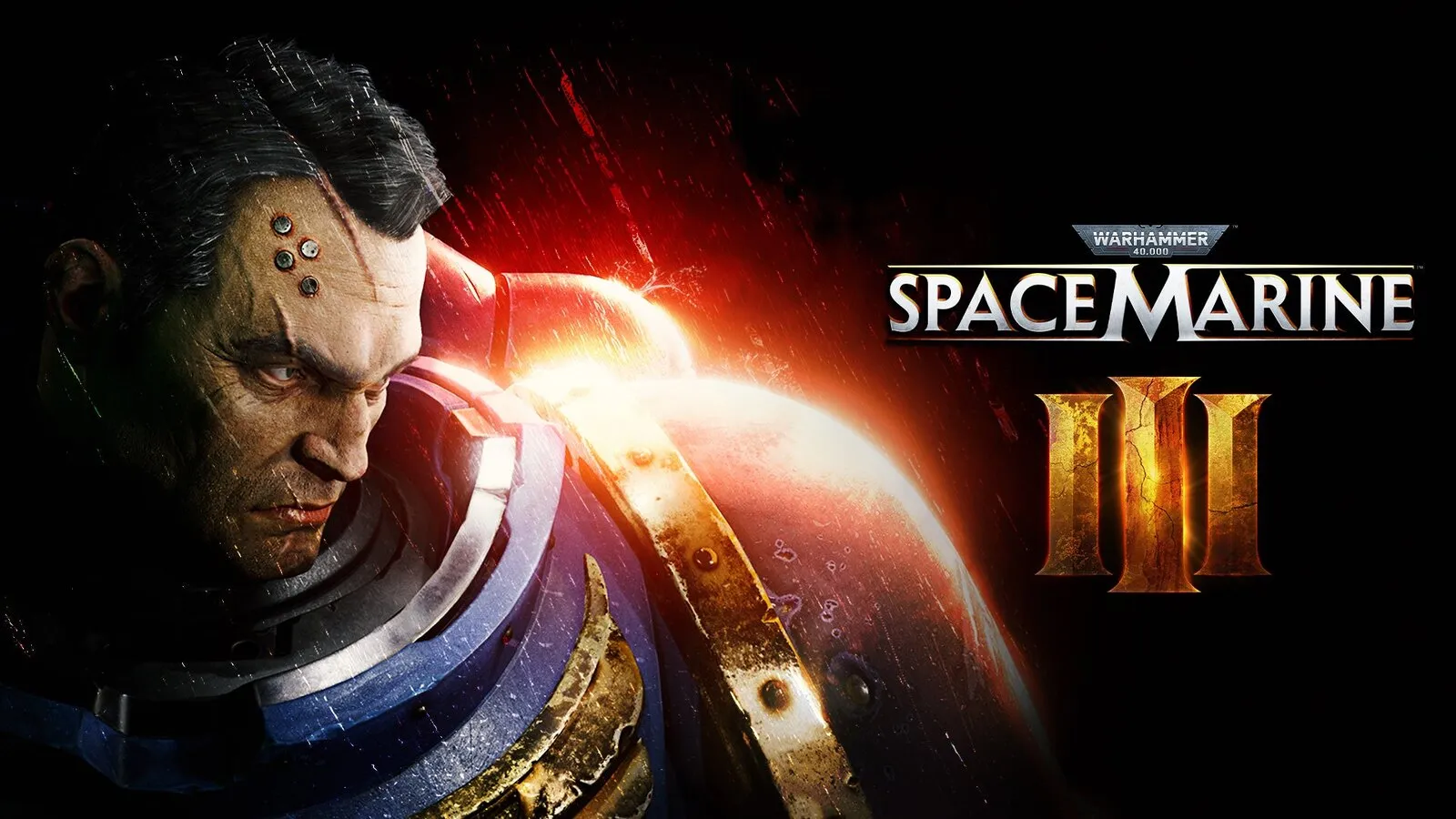
Space Marine 2 exceeded everyone’s expectations. The campaign was solid, the multiplayer kept people playing, and the feel of being an Ultramarine was nailed in a way no 40K game has managed before. So naturally, the community immediately started arguing about what Space Marine 3 should be.
Before getting into the wish lists, it’s worth acknowledging what SM2 got right, because any sequel needs to understand why the original worked. The weight of the Marine was the thing. Every other 40K game has made Space Marines feel like regular shooters with a 40K skin. SM2 made you feel like a transhuman tank. The way Titus moves through Tyranid hordes, the melee system that rewards aggression over cover-shooting, the sound design that makes a bolt rifle sound like the hand-held rocket launcher it’s supposed to be. All of that was executed at a level that respected the source material in a way fans had been begging for since the original Space Marine in 2011. The Operations mode gave the game legs beyond the campaign, and the progression system, while not perfect, kept people grinding for months. Saber Interactive understood the assignment.
I’ve been reading through the forums and Reddit threads, and the wish lists range from “reasonable” to “GW would never allow that.” Here’s what people are asking for most.
New Enemies
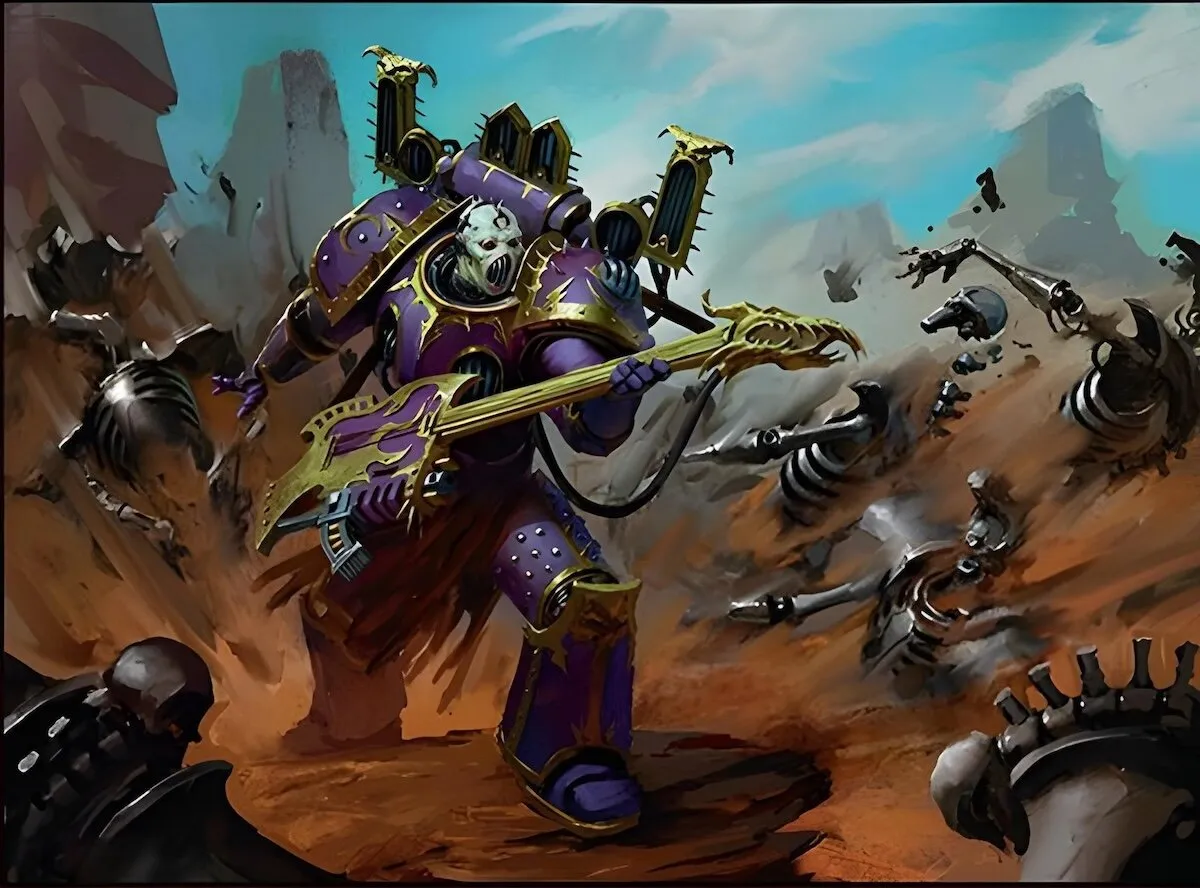
Necrons are the most-requested antagonist by a wide margin. The Tomb World aesthetic, the resurrection mechanics, and the variety of Necron units (from Warriors to Destroyers to C’tan shards) would translate beautifully to a third-person action game. Fighting enemies that get back up after you kill them is a natural gameplay hook.
Picture this: a campaign set on a Tomb World that’s in the process of waking up. Early missions have you fighting scattered Necron Warriors that reanimate one at a time. By the mid-game, entire phalanxes are coming online and you’re dealing with Immortals, Lychguard, and Destroyers. The final act involves a Cryptek or Overlord using time-manipulation abilities that mess with the gameplay itself. Enemies you killed three rooms ago reassemble and come at you from behind. The environment shifts and rearranges. A C’tan shard boss fight where reality is literally unraveling around you. The Necron aesthetic of cold green energy, living metal, and ancient Egyptian-inspired tomb architecture would give the art team something completely different to work with after the organic horror of the Tyranids.
Orks are the other popular request, and for different reasons. Where Necrons would be methodical and creepy, an Ork campaign would be chaotic, funny, and loud. Hordes of greenskins, ramshackle vehicles, a Warboss boss fight where the arena is falling apart because the Ork built it wrong. It would be a completely different tone from the Tyranid-focused SM2, which is exactly what a sequel needs. The dream scenario people keep floating is a campaign that starts with one enemy faction and pivots to another halfway through. Imagine fighting Orks on an industrial world and then breaking through to discover that the Orks were attacking because Necrons were waking up underneath the planet. Two tonal shifts in one game. It would be ambitious, but SM2 already proved that Saber can handle scale.
Co-op Campaign
One of the most consistent requests is a full co-op campaign from start to finish. SM2’s Operations mode proved that playing with friends in the 40K universe is incredible, but it was separate from the main story. People want to experience the narrative together. A three-player co-op campaign where you’re a kill-team of Marines operating behind enemy lines would be the ideal structure. Each player could specialize in a different role (assault, tactical, heavy support) and the game could scale enemy density and difficulty based on squad composition.
The co-op angle also opens up interesting narrative possibilities. Imagine a campaign where the three player characters are from different Chapters, brought together by an Inquisitorial mandate. You’d get inter-Chapter tension built into the dialogue, different combat styles that complement each other, and a reason for the characters to have conflicting opinions about the mission. That kind of writing is what elevates a good action game into a memorable one.
Playable Factions Beyond Ultramarines
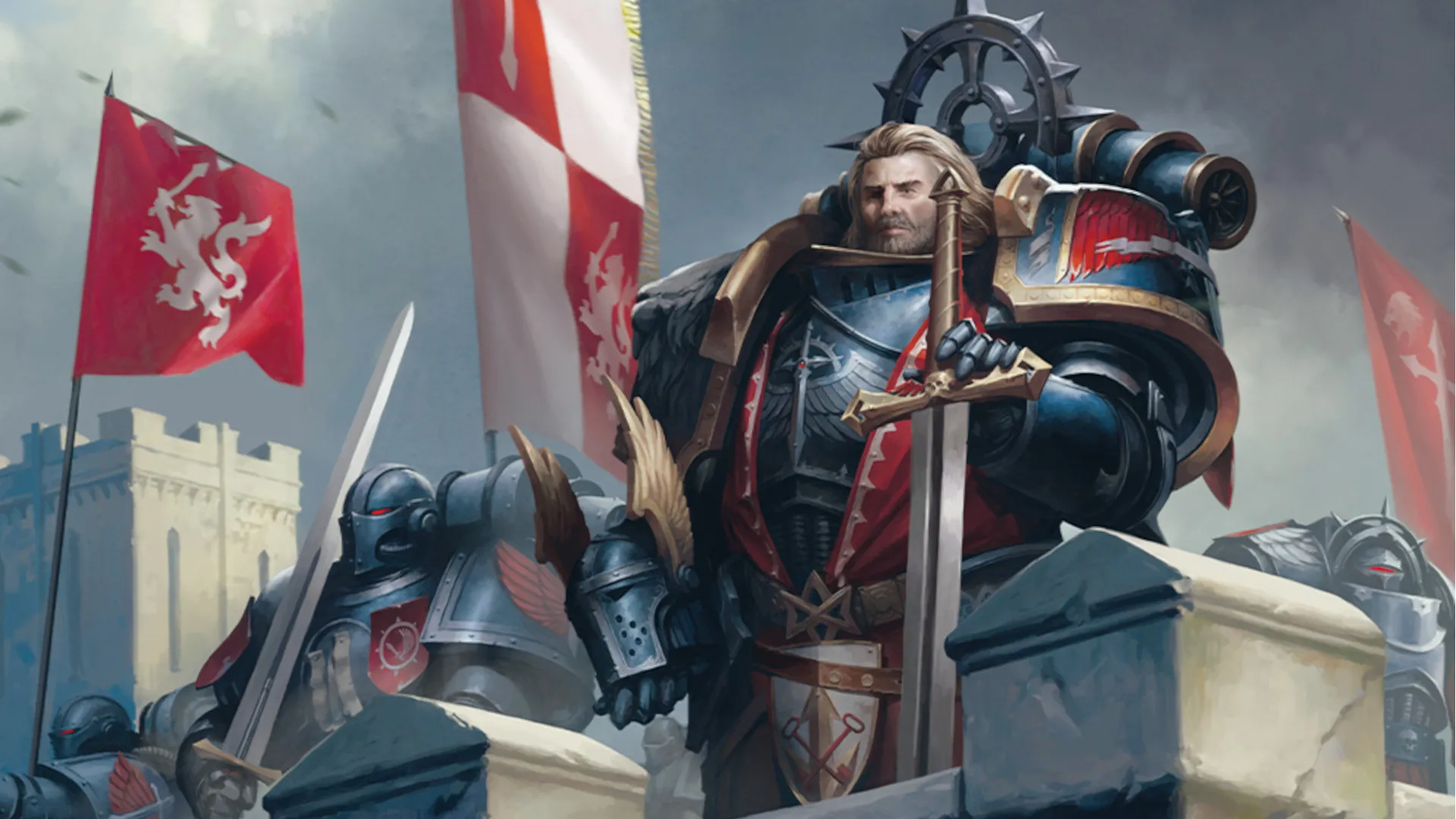
This comes up constantly. People want to play as other Chapters. Blood Angels, Space Wolves, Dark Angels. Some want non-Marine factions entirely (an Astra Militarum survival horror game set during a Tyranid invasion would be incredible, though it would be a very different game).
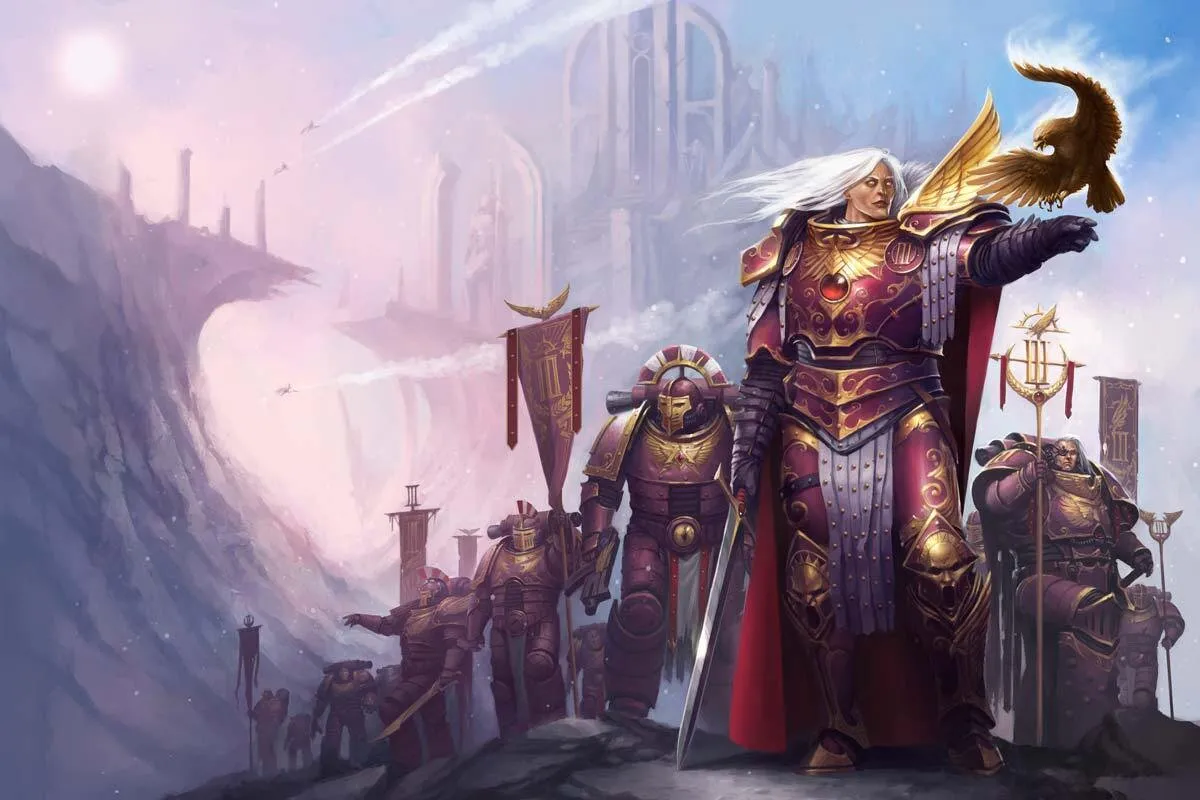
GW has historically been protective of Space Marine branding, but SM2 already lets you customize your Marine in multiplayer with different Chapter colors. Expanding that into the campaign with faction-specific abilities isn’t a huge stretch. Blood Angels are the dream pick for a lot of people, and I get it. The Black Rage as a gameplay mechanic writes itself: a fury mode that makes you incredibly powerful but increasingly difficult to control, with the risk of losing yourself entirely if you lean on it too hard. Space Wolves would bring a melee-focused berserker playstyle with a completely different cultural flavor. Dark Angels would introduce an espionage subplot about the Fallen that could drive an entire secondary narrative.
Vehicle Gameplay
SM2’s on-rails sequences were fine but limited. People want to actually pilot a Land Raider, drive a Rhino transport, or fly a Thunderhawk. The 40K universe is full of iconic vehicles that would be fantastic in a third-person action game. Even just a sequence where you’re manning a Predator turret during a convoy defense would be memorable.
Operations Mode Improvements
Operations was the sleeper hit of SM2, the mode that kept people playing long after the campaign credits rolled, and the community has very specific ideas about how to improve it. The biggest request is more mission variety. SM2’s Operations missions were good, but after you’d run them all at the highest difficulty, the repetition set in. People want procedurally generated elements: randomized objectives within hand-crafted maps, modifier systems that change enemy composition and behavior between runs, and a loot system with enough depth to make every run feel like it could produce something new.
The difficulty scaling is another hot topic. SM2’s difficulty levels worked on a basic “more enemies, they hit harder” model. Fans want something more nuanced. Think Vermintide 2’s Cataclysm difficulty or Deep Rock Galactic’s hazard modifiers, where the challenge changes qualitatively, not just quantitatively. New enemy behaviors at higher difficulties, environmental hazards that only activate on the hardest settings, bonus objectives that require coordination to complete. The community that stuck with Operations for months is a hardcore crowd, and they want a difficulty ceiling they can’t reach.
The other major Operations request is more team compositions. SM2 locked you into a three-player squad of preset classes. Fans want more class options, sub-specializations within each class, and the ability to build a squad that reflects a specific tactical philosophy. A three-Assault squad that rushes through missions at breakneck speed should feel fundamentally different from a balanced squad, and both should be viable. The best co-op games let players express themselves through their builds, and SM2’s class system, while solid, didn’t have enough depth to support that kind of expression long-term.
Deeper Customization
The SM2 customization system was good. People want it to be great. More armor variants, more weapons, more cosmetic options. The ability to build a truly personalized Marine is what keeps people engaged in multiplayer long-term. And with the Warhammer license, the cosmetic possibilities are essentially infinite. Every Chapter, every heraldry, every campaign marking.
The painting and customization depth is something the community is particularly passionate about, because Warhammer fans are hobbyists at heart. They spend hours painting miniatures, and they want that same level of creative control in the game. People are asking for a full color-wheel armor painter, not just preset Chapter schemes. They want decal placement, weathering options, battle damage toggles, and the ability to customize individual pauldrons, knee pads, and helmets independently. Some fans have pointed to games like Deep Rock Galactic’s cosmetic system or even Forza’s livery editor as models for what a truly deep customization suite could look like. The argument is simple: if you let players build the Marine they’ve always imagined, they’ll never stop playing. Every new cosmetic unlock becomes a reason to run another Operation, and the screenshots alone would generate endless free marketing on social media.
The modding community has been vocal about wanting official tools or at least an architecture that’s mod-friendly. SM2’s modding scene exists but it’s limited by the engine. If Saber built SM3 with modding support in mind, the community would handle an enormous amount of content creation on their own. Custom chapters, custom missions, custom enemy skins. Look at what the modding community did for games like Vermintide 2. A 40K game with that level of mod support would have a decade-long tail.
Competitive Multiplayer
SM2’s PvP mode was functional but clearly secondary to the PvE experience. The community is split on whether SM3 should invest more heavily in competitive multiplayer or stay focused on co-op. I’m in the co-op camp personally, but I understand the argument for a more robust PvP mode. A 6v6 Space Marine vs Chaos Space Marine competitive mode with class-based gameplay, objective modes, and ranked laddering could absolutely work if the balance was there. The problem is that balancing a game where every player is a superhuman killing machine is genuinely difficult, and the resources spent on PvP are resources not spent on the campaign and Operations. I’d rather have a ten-hour campaign with incredible set pieces than a competitive mode that splits the playerbase.
Titus’s Story
The elephant in the room is what happens to Demetrian Titus. SM2 left his story in an interesting place. He’s been vindicated after centuries of suspicion, he’s leading a squad, and he’s proven his loyalty beyond any reasonable doubt. But the game also hinted at something deeper going on with Titus, something about his resistance to Chaos corruption that hasn’t been fully explained. The community has theories ranging from “he’s a blank” to “he has some connection to the Emperor’s power” to “it’s just willpower and the writers haven’t decided yet.”
Whatever the explanation, Titus is the anchor. He’s one of the few original characters GW has allowed to become genuinely popular in the video game space, and his arc from disgraced veteran in SM1 to reluctant Primaris lieutenant in SM2 gives him a narrative trajectory that most game protagonists never get. The community wants to see that arc concluded. Where does a Rubicon Primaris Space Marine go after he’s already been through everything Titus has survived? The popular speculation is that SM3 could see Titus elevated to a command position, maybe even Chapter Champion or Company Captain, which would give the gameplay a reason to include more strategic elements alongside the action. A Titus who’s responsible for more than just his immediate squad opens up mission structures where your decisions have consequences beyond the current firefight.
The other angle people keep raising is Leandros. The battle-brother who reported Titus to the Inquisition in SM1 appeared briefly in SM2, and the community has strong opinions about where that subplot should go. Some want a redemption arc. Most want Leandros to face consequences for what he did. A few want a boss fight, which would be dramatic but probably too far outside GW’s comfort zone for an Ultramarine-on-Ultramarine confrontation. My preference would be something more subtle: Leandros appearing as a Chaplain or Inquisitorial liaison who has to work alongside Titus, forcing both characters to confront what happened between them without the easy catharsis of a fight.
My Take
I think SM3 is going to happen. SM2 sold well enough and generated enough goodwill that Saber Interactive would be crazy not to follow up. The question is whether GW lets them expand beyond the Ultramarine comfort zone.
Personally, I want Necrons as the main enemy, a Blood Angels protagonist (imagine a campaign where the Black Rage is an actual gameplay mechanic), and at least one vehicle mission. Give me a Tomb World campaign that starts as a mystery (why is this planet’s population disappearing?) and escalates into a full-scale Necron awakening. Give me a moment where my character starts hearing the Black Rage whispering during a boss fight and I have to choose between giving in for more power or fighting through it with diminished abilities. Give me a mission where I’m manning a Predator’s turret while my squad defends a convoy through a canyon full of Necron Wraiths phasing through the walls.
The co-op campaign is the thing I’d push hardest for if I had a seat at the table. SM2 proved that the 40K community wants to play together, and the Operations mode was the proof of concept. A full narrative co-op experience would be the logical next step. Three Marines, three chapters, one impossible mission. That’s the game I want to play.
But I’d be happy with more of what SM2 did well. The core gameplay loop of being a 7-foot super-soldier smashing through enemies with a chainsword is satisfying enough that you could set it almost anywhere in the 40K universe and I’d play it. Saber earned the trust of the community with SM2. Whatever they do with SM3, I’m showing up on launch day.