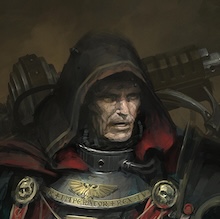
Imagine inheriting an appointment somebody made a thousand years ago. The person who booked it is dead, the address has changed hands a few dozen times, and the guest is Ghargatuloth. I’d be looking for the cancellation number. The Grey Knights have the date in their records.
Ben Counter’s Grey Knights is getting a new Special Edition, GW announced on 7 October. In the novel, Grand Master Mandulis banishes the daemon prince Ghargatuloth on Khorion IX and dies doing it. The banishment lasts a millennium. Justicar Alaric and his brothers inherit the return date, along with a prophecy that makes a straightforward ambush sound rather optimistic. GW says pre-orders are coming soon; it hasn’t given a date yet.
A Chapter can keep a promise across more lifetimes than anyone involved in making it. I keep picturing a copy of the Khorion IX report sitting in a locked room on Titan.
Ghargatuloth and the first banishment
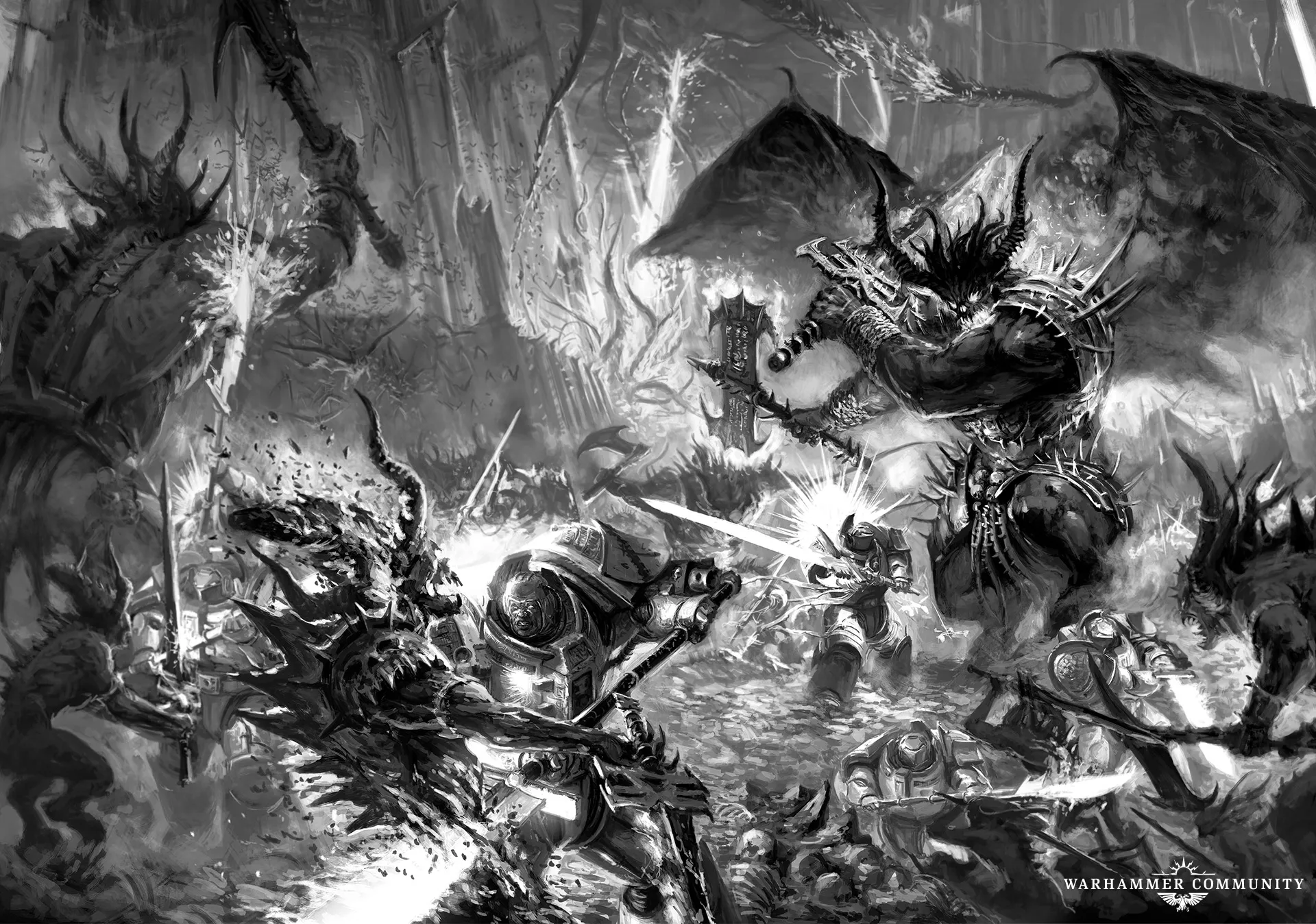
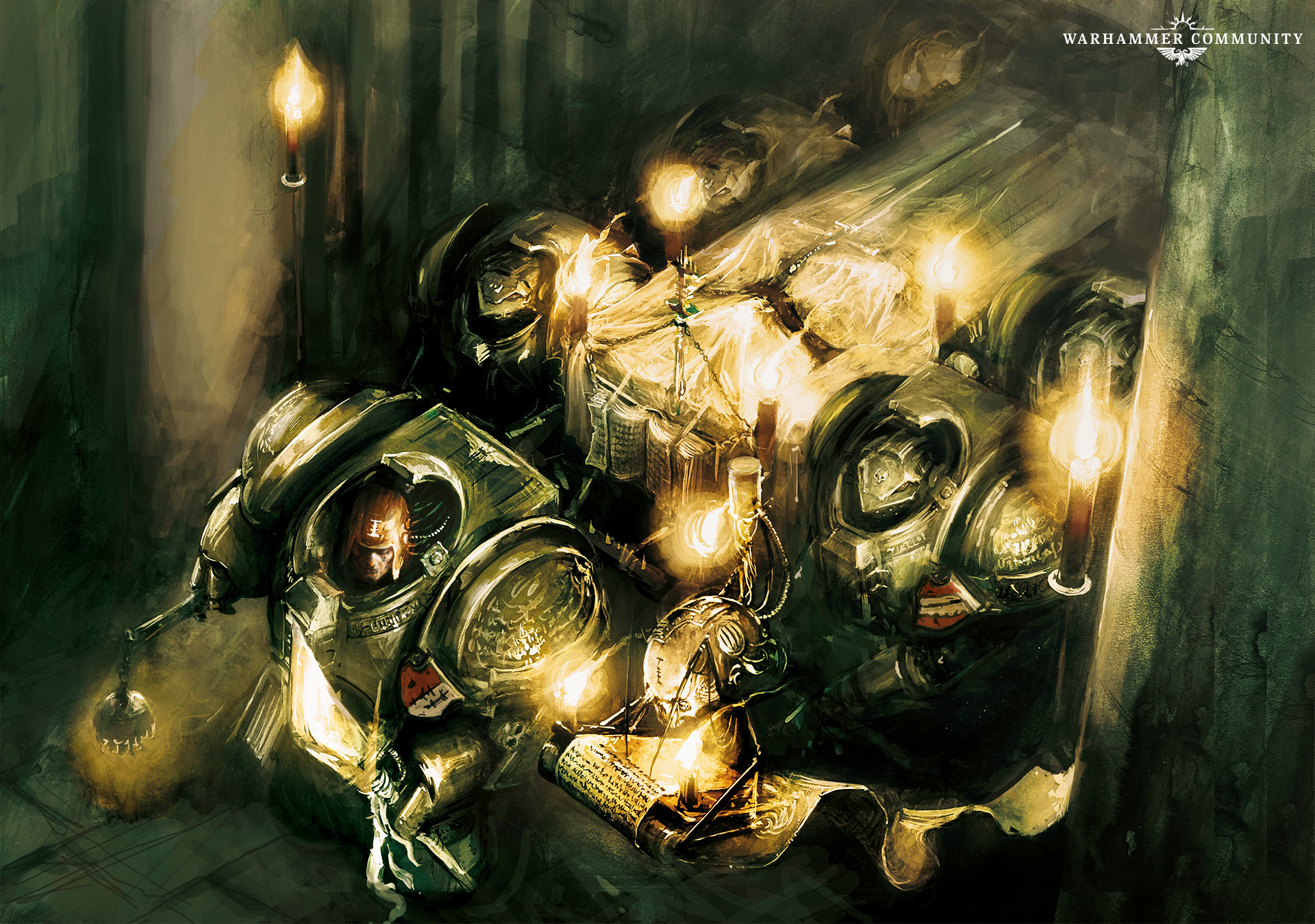
The original fight sounds like the sort of heroic ending the Imperium would chisel onto a wall and leave there. Mandulis tracks Ghargatuloth to Khorion IX; the Grey Knights attack; their Grand Master gets close enough to banish it and pays with his life. Counter opens his novel with that battle, then moves the story forward to the men who have to live with its result. Alaric’s company is on duty when the term expires.
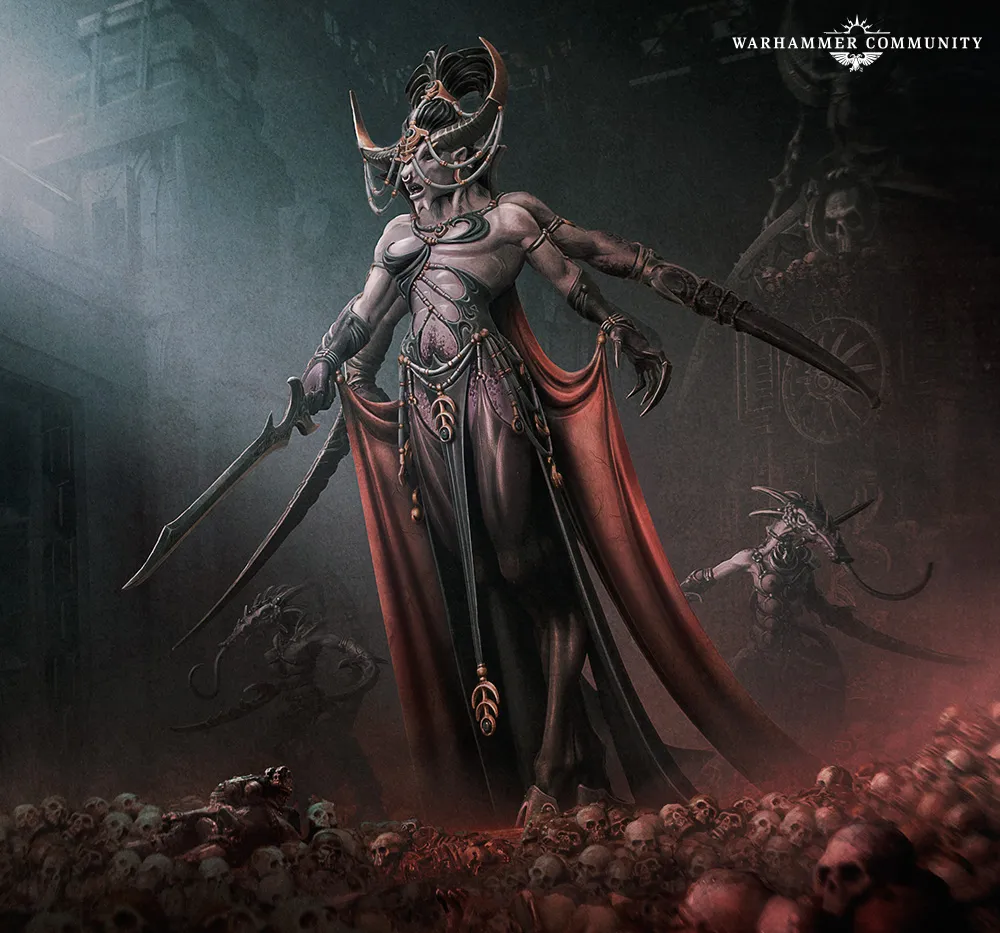
Ghargatuloth is a daemon prince of Tzeentch, the Prince of a Thousand Faces in Counter’s story. That name is wonderfully irritating for a hunter. Recognising the enemy becomes a problem of its own. Ghargatuloth can work through a person, a story, a prediction. Counter gives the daemon a talent for manipulating what people believe they know. I think that’s why Mandulis’s victory leaves such a rotten inheritance. Mandulis’s account is among the things Alaric carries into the hunt.
The Warp doesn’t respect the practical meaning humans attach to a deadline. Banishment removes a daemon from realspace; it doesn’t put a body in a grave. GW’s description of the reissue gives the Knights a return time and place, then warns that the prophecy complicates the job. The Chapter knows when to come armed. The announcement says a prophecy is involved and stops there.
The date makes planning possible, at least on paper. Someone has to keep a ship available, make sure the right people can be reached, and decide how early to send a force. Arrive years ahead and they’ll sit on a world where every odd death starts to look like a sign. Counter doesn’t turn the novel into a logistics manual, thankfully, but I find myself wondering who among the Chapter’s archivists first noticed the deadline getting close.
There is a temptation to turn Mandulis into a fool because the banishment didn’t last forever. I can’t get behind that. A millennium bought worlds of people their entire lives, and he did it with what was in front of him on Khorion IX. His successors inherit a prophecy he never got to read. I used to think the time limit made the first victory smaller. Mandulis died on Khorion IX a millennium before Alaric’s mission.
What a thousand years does to a Chapter
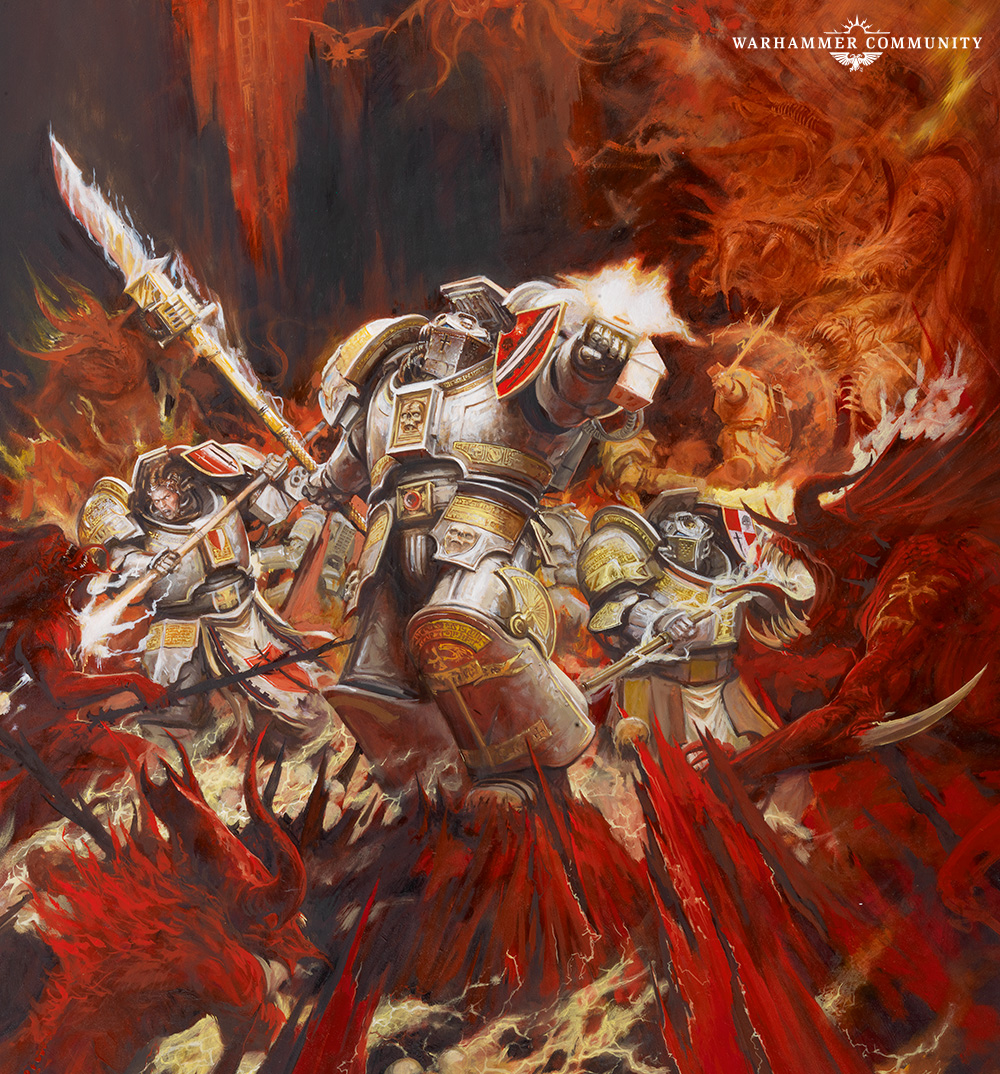
On a tabletop, I can remember a nasty unit’s tricks until the next game. Give me six months and I’ll forget which stratagem made Kiran’s Death Guard so difficult to shift. A thousand years is longer than the entire span of the hobby I know. Alaric can’t ask Mandulis what the daemon looked like when it lied. He has to work from the Chapter’s preserved account, whatever its archivists judged worth saving, and the fresh evidence collected as the prophecy approaches.
The Grey Knights are unusually well equipped for that sort of handover. Their war against daemons is a permanent institution, backed by the Ordo Malleus, ritual, psychic training and records kept far away from public view. Their archives preserve dangerous names and procedures among people trained to handle them. On threatened worlds, local commanders may have little idea why silver-armoured strangers have appeared at their door. The planetary commander may still be waiting for a usable briefing.
I pulled an eighth-edition Grey Knights codex off the shelf at my local store once to settle an argument about a daemon save. I was so sure I remembered the rule that I’d already moved my Thousand Sons’ shooting on to the next target. I didn’t. Kiran was there, being unusually quiet while I hunted through pages with blue paint still drying on my thumb. We finished the game with a borrowed dice marking the wound I’d wrongly removed.
There are records, and then there’s a person who knows why one line was underlined twice. Counter’s Alaric inherits Mandulis’s account and has to sort the evidence in front of him. That gap gives the novel more room than a rematch usually has. I don’t know how much of the precise timetable survives in the Chapter’s files. GW hasn’t named the prophecy in the reissue announcement.
Alaric has a reputation to manage as well as a daemon. Mandulis’s banishment is the story of a Grand Master who did everything demanded of him and died at the crucial instant. If the younger Knights question a detail of that story, they’re also questioning a piece of Chapter history. I can imagine a briefing room growing very quiet when somebody suggests the original account might be incomplete. That’s my reading of the setup; the announcement doesn’t say whether Alaric questions the old account.
The Chapter has another problem here. Its greatest successes disappear into its own archives. Most Imperial citizens have no idea the Grey Knights’ daemon war is happening. A commander who wants to share a warning has to decide what the warning itself will do. Announce that a daemon prince is due back and you’ve handed a population a name, a story and a reason to panic. I’d want somebody to read that broadcast twice before it went out.
The Prince of a Thousand Faces has a head start
Counter’s book puts Alaric in the company of an Inquisitor, Ligeia, as the investigation moves beyond the old battlefield. Ghargatuloth’s influence isn’t confined to the hour it can physically return. Cults and compromised people have been busy in the intervening period. The daemon’s title starts to feel less like a boast when a human voice can do its work in a place a Grey Knight’s sword can’t reach. Counter wrote this as an adventure novel, and there are plenty of fights. The investigation also follows rumours of cult activity.
That may sound like I’m giving Tzeentch too much credit. A cult still needs people to make decisions and take risks. Some stories in the Imperium are simply false because its administration is a mess; you can find bad records without a daemon whispering over the clerk’s shoulder. I’m less certain where to draw the line in Ghargatuloth’s case. Alaric has to act on incomplete information. He works alongside Ligeia and his squad.
So, yeah, the name. I know true names are a familiar daemon-hunting idea in 40K. You learn the awful string of sounds, you say it, the thing goes back to the Warp. Except getting to that point means somebody had to acquire and preserve knowledge that can harm the person holding it. The story’s account of Ghargatuloth’s true name makes it a dangerous thing to speak, even for Alaric. Counter describes it as hundreds of syllables long.
The Grey Knights keep dangerous knowledge in trained hands. Their system depends on retaining such material for the next generation. Ghargatuloth’s followers can use stories to move people around the investigation. I’m interpreting Counter’s premise here. GW’s announcement confirms the banishment, the return and the prophecy.
Ligeia’s presence matters to me for a fairly unglamorous reason: the Knights need an investigator who can follow people through ordinary Imperial institutions. A daemon prince can become the subject of sermons, rumours and denunciations long before anybody sees a warp rift. Inquisitorial authority opens doors that a squad of armed Space Marines would probably just kick down. It also puts another human being in the room when the evidence becomes poisonous. Counter gives Alaric a partner with her own judgment, and their conversations are a useful break from the armour and incantations.
There is an old Black Library feel to the whole thing. The novel was written before the Grey Knights became a familiar tabletop army with an easily recognised range of kits. Its Chapter works as an obscure, heavily burdened institution, with individual men trying to read a trail left by a daemon that enjoys being read. Some of Counter’s prose and character work may land differently for readers coming to it now. The Special Edition reprints that older story. I still have to find my copy of the omnibus; I remember its red spine more clearly than where I put it.
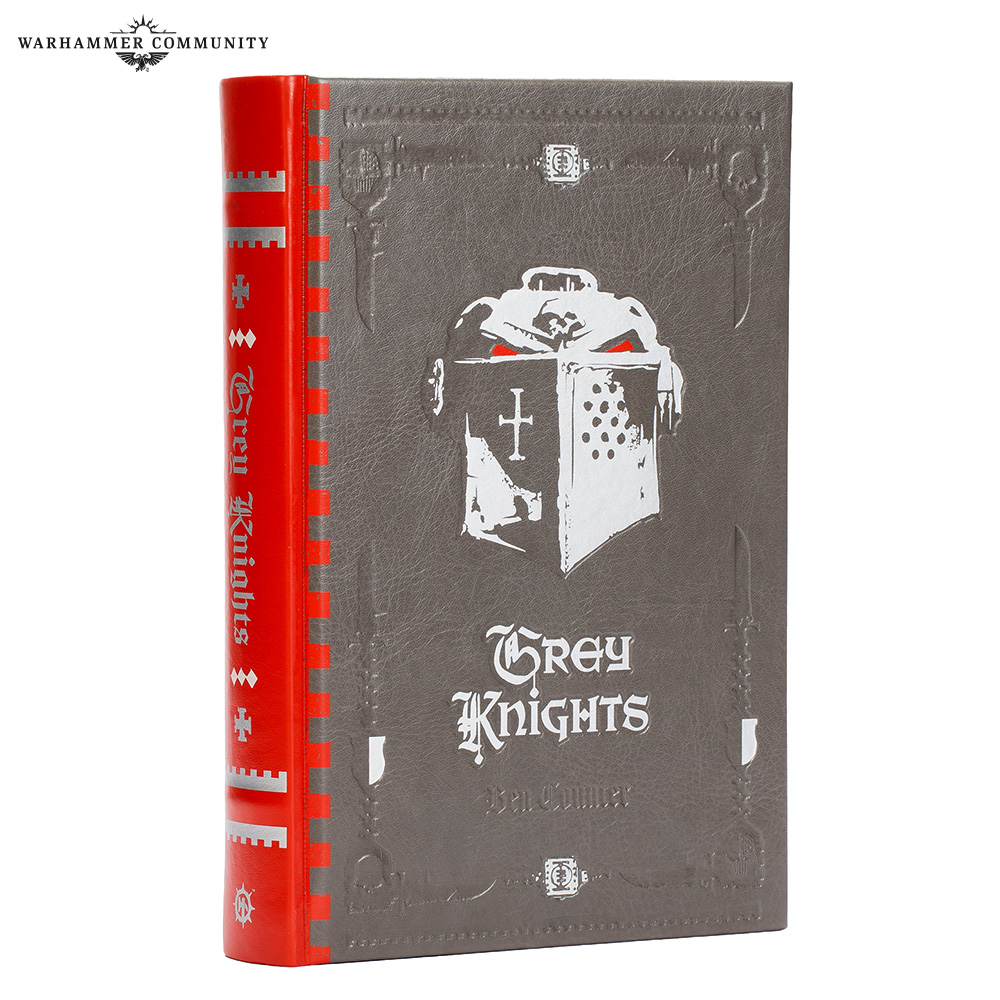
I was going to complain that another handsome Black Library edition will end up on a shelf. Mine usually do. This one has sent me back to the old novel’s opening, where Mandulis heads into Khorion IX with no way to tell the brothers who’ll inherit his unfinished business exactly what they’ll need. If you’ve only met the Chapter through the codex, start with that fight. The new edition’s pre-order date is still to come, so there’s time to find a reading copy.